
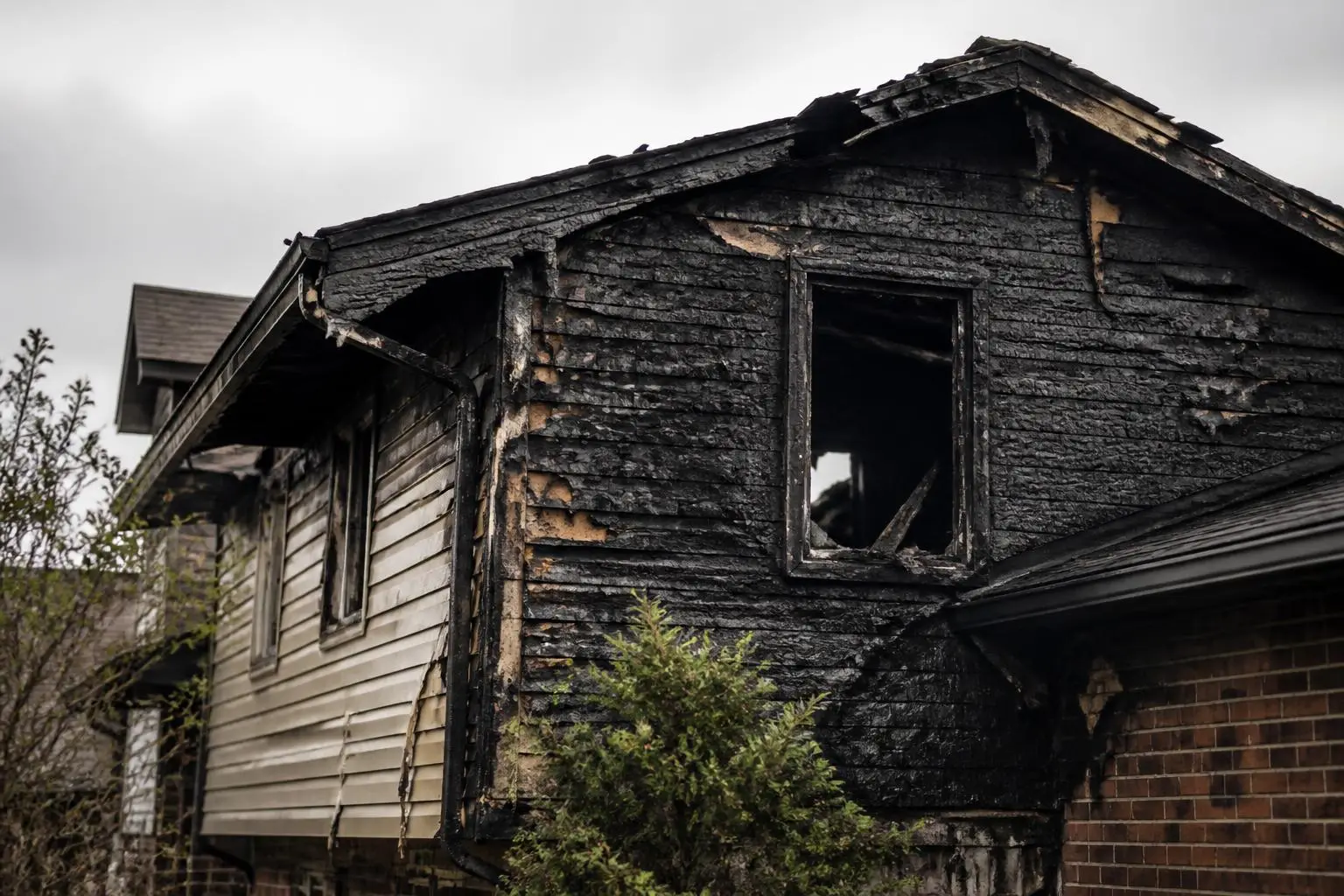
After a house fire, people may start telling you what needs to happen next.
Someone may recommend boarding up the windows. A cleanup company may offer to remove debris. A restoration contractor may tell you that damaged materials need to come out immediately.
Meanwhile, your insurance adjuster may not have inspected the house yet.
That creates a difficult question:
How do you protect your home from further damage without removing the evidence needed to document what happened?
The answer isn't to leave everything untouched. It also isn't to authorize every repair immediately.
You need to understand which actions are necessary now, which can wait, and what should be documented before work begins.
This guide explains the most common mistakes homeowners should avoid after a fire, particularly during the first few days.
If you're just beginning the recovery process, start with our First 72 Hours After a House Fire: Step-by-Step Homeowner Guide.
Quick Answer: What Should You Not Do After a House Fire?
Before the insurance adjuster arrives:
- Don't enter an unsafe property. Wait for permission from the fire department or responsible authorities.
- Don't turn electricity or gas back on yourself. Damaged systems require professional evaluation.
- Don't throw away damaged belongings unnecessarily. Photograph and inventory them first whenever safely possible.
- Don't authorize extensive demolition without understanding the scope. Emergency protection and full restoration are different services.
- Don't leave exposed openings unprotected. Reasonable emergency measures may be necessary to prevent additional damage.
- Don't sign contractor paperwork you don't understand. Ask about the work, payment terms, and any transfer of insurance rights.
- Don't delay reporting the fire to your insurance company. You can report a loss before knowing the total damage.
These precautions are consistent with guidance from the National Association of Insurance Commissioners (NAIC), which recommends documenting losses, protecting the property from further damage, retaining receipts, and being cautious about contractor agreements.
1. Don't Go Back Inside Until Authorities Say It's Safe
A home can look stable from outside while still containing dangerous conditions.
Fire can weaken floors, ceilings, roof framing, and other structural components. Electrical systems may be damaged, and gas connections may require inspection.
Even areas untouched by flames may contain hazardous residues or debris.
Before entering, ask the fire department or appropriate authority:
- Is the building safe to enter?
- Are there restricted rooms or areas?
- Can we retrieve medication, identification, or essential belongings?
- Have utilities been disconnected?
- Is a structural inspection necessary?
Permission to enter briefly does not necessarily mean the property is safe to occupy.
If entry is prohibited, don't go inside to take photographs or recover possessions. Ask when access may be possible and whether an authorized professional can document the conditions.
Can I turn the electricity or gas back on after a house fire?
Do not restore disconnected utilities yourself.
Electrical wiring, outlets, appliances, gas piping, and equipment may have been exposed to heat, water, or physical damage.
Contact the utility provider and qualified professionals to determine what inspections or repairs are necessary before service is restored.
2. Don't Start Throwing Away Fire-Damaged Belongings
After a fire, you may want to remove everything that smells like smoke or appears ruined.
But damaged belongings can be important evidence of the loss.
Furniture, electronics, clothing, appliances, and household items may need to be inventoried or evaluated as part of an insurance claim.
Before disposal, when safe and practical:
- Photograph the item and its condition.
- Record what it is and where it was located.
- Note the approximate purchase date and value if known.
- Keep available receipts or purchase records.
- Ask the insurer whether the item needs to be retained for inspection.
You may not have receipts for everything. Old photographs, bank statements, online purchase histories, and other records may help establish what you owned.
What if damaged belongings are hazardous?
Some items cannot safely remain in place.
Contaminated food, unstable debris, and other materials may require prompt removal under instructions from safety authorities or qualified professionals.
If removal is necessary, document the items when safely possible and keep records of what was removed, by whom, and why.
The goal is not to preserve dangerous materials at any cost. It's to preserve useful evidence without compromising safety.
3. Don't Confuse Emergency Property Protection With Full Restoration
This is one of the most important distinctions homeowners need to understand.
After a fire, your property may require immediate protection.
Broken windows, damaged doors, or openings in the roof can expose the building to rain, wind, theft, or additional deterioration.
Homeowners insurance policies commonly require reasonable efforts to prevent further damage after a loss.
This is often called the duty to mitigate.
What does the duty to mitigate mean after a house fire?
It generally means taking reasonable steps to prevent avoidable additional damage when doing so is safe and practical.
Examples may include:
- Boarding up broken windows
- Securing damaged doors
- Installing temporary roof protection
- Preventing further water intrusion
- Securing access to the property
The exact duties depend on the insurance policy and circumstances.
Should I wait for the adjuster before boarding up my house?
Not necessarily.
If exposed openings are allowing rain inside or creating an immediate security problem, reasonable emergency protection may be necessary before the adjuster arrives.
Contact the insurer promptly for instructions when possible.
Photograph the conditions before work begins if it is safe to do so.
Keep the contractor's invoice, description of work, and photographs of completed emergency protection.
What's the difference between board-up work and restoration?
Emergency protection is generally intended to stabilize or secure the property.
Restoration may involve cleaning, removing damaged materials, repairing systems, or rebuilding.
A company that performs emergency board-up work may also offer full restoration services, but authorizing one does not necessarily require you to authorize the other.
Read the agreement carefully to understand what you're purchasing.
4. Don't Authorize Extensive Demolition Before the Damage Is Documented
Some fire-damaged materials must be removed for safety, stabilization, or necessary remediation.
But major demolition can change the physical condition of the property before the damage has been fully documented.
For example, removing ceilings, insulation, drywall, flooring, or structural components may make it difficult to establish what was present before the work began.
Before nonemergency demolition, consider asking:
- Has the affected area been photographed?
- Has the insurance company been notified?
- Is an inspection scheduled or completed?
- Is removal immediately necessary for safety?
- Can a qualified professional document the condition first?
- Will the contractor provide photographs and a record of removed materials?
If urgent removal is necessary, don't delay required safety work. Instead, request appropriate documentation before and during the work whenever practical.
What if the contractor says the drywall must come out today?
Ask why.
There may be a legitimate safety, moisture, contamination, or structural reason.
Request an explanation of the urgency, the proposed scope, and what documentation will be collected.
You can also contact your insurer to explain the situation and ask how the work should be recorded.
Related: Document the Damage Before Major Decisions.
5. Don't Assume the Fire Only Damaged the Room Where It Started
Imagine a kitchen fire that firefighters extinguished before flames spread into the living room.
The living room walls may appear untouched, but smoke may have traveled through open doors, ventilation pathways, or other openings.
Water used to extinguish the fire may also have affected nearby materials.
Depending on the circumstances, other areas may require evaluation for:
- Smoke and soot deposits
- HVAC contamination
- Attic or insulation damage
- Concealed moisture
- Electrical damage
- Heat exposure
- Damage to furniture and personal belongings
Not every fire produces these conditions, and not every affected component needs replacement.
A qualified evaluation helps distinguish actual damage from assumptions.
Can smoke damage exist without visible soot?
Yes. The absence of obvious black staining does not necessarily establish that an area was unaffected.
Whether smoke-related residues or contamination are present, and whether treatment is necessary, depends on the conditions and appropriate professional evaluation.
Don't assume that a room is unaffected simply because flames never entered it.
6. Don't Sign a Restoration Contract Just Because Someone Says It's Urgent
Following a house fire, you may encounter several types of agreements:
- Emergency service authorizations
- Board-up contracts
- Cleaning and remediation agreements
- Restoration contracts
- Reconstruction contracts
- Payment authorizations
- Assignments of Benefits
These documents may create different obligations.
Before signing, ask:
What exactly am I authorizing?
Then clarify:
- Is the work limited to emergency services?
- Does the agreement include demolition or reconstruction?
- What are the prices or pricing methods?
- Who is responsible if insurance doesn't pay?
- What happens if I cancel?
- Does the document authorize direct insurance payments?
- Does it transfer any rights under my policy?
- Will I receive a complete signed copy?
Do I have to use the restoration company the fire department called?
Not automatically.
A company may have been contacted to provide emergency assistance without being the only company available for future restoration work.
However, you may still be responsible for services already authorized or performed.
Ask who requested the work, what services were provided, and whether you have signed or otherwise agreed to any payment obligation.
Do I have to use my insurance company's preferred contractor?
Not necessarily.
Insurers may recommend contractors or offer managed repair programs. The terms and benefits of those arrangements vary.
Ask whether participation is optional, what warranties apply, and whether choosing another qualified contractor changes any program benefits.
Related: Before You Sign a Fire Restoration Contract: What Homeowners Should Know.
7. Don't Delay Reporting the Fire Because You Haven't Finished Documenting Everything
You do not need a complete damage estimate to report a fire.
Contact your insurance company promptly after addressing immediate safety needs.
Explain what happened, describe what you currently know, and ask what information the insurer needs next.
If the cause of the fire or extent of damage remains uncertain, say so.
Avoid guessing or presenting unverified assumptions as facts.
During the first call, request:
- Your claim number
- Adjuster contact information
- Inspection instructions
- Emergency repair guidance
- Temporary housing information
- Documentation requirements
- Applicable deadlines
Keep a written record of the conversation.
You can continue adding information as the loss is investigated and documented.
8. Don't Assume the First Insurance Inspection Will Identify Every Problem
An insurance adjuster may inspect the property and prepare or coordinate a damage estimate.
That inspection is an important part of the claim process.
However, certain conditions may require specialized evaluation.
For example, concerns involving electrical systems, structural components, concealed moisture, or HVAC contamination may require qualified professionals.
Ask the adjuster:
- Which areas were inspected?
- Were smoke and water effects outside the fire room considered?
- Are further evaluations recommended?
- How should newly discovered damage be reported?
- Can I provide an independent inspection report?
An independent assessment can help document physical conditions, but it does not automatically establish insurance coverage or the amount an insurer must pay.
9. Don't Lose Track of Emergency Expenses
The first several days may involve hotel bills, meals, transportation, emergency repairs, replacement necessities, and other unexpected costs.
Keep records even if you're unsure whether a particular expense qualifies for reimbursement.
Your insurance policy may provide Additional Living Expenses coverage when a covered loss makes your home uninhabitable.
Coverage generally concerns qualifying additional costs, subject to policy conditions and limits.
Start a simple record with:
| Date | Expense | Amount | Receipt saved? |
|---|---|---|---|
| Day 1 | Hotel accommodation | $___ | Yes / No |
| Day 2 | Additional meal expense | $___ | Yes / No |
| Day 2 | Emergency board-up | $___ | Yes / No |
| Day 3 | Additional transportation | $___ | Yes / No |
Related: Loss of Use and Additional Living Expenses After a House Fire.
What Should You Do Instead? A Practical Checklist
If your house has recently experienced a fire, focus on the following actions.
Safety
Protecting the property
Preserving documentation
Contractors and paperwork
Preparing for the inspection
Not Sure Whether Your Fire Damage Has Been Properly Documented?
You may be dealing with several professionals, urgent repair decisions, and an insurance inspection, all within a few days of the fire.
It's reasonable to want a clearer understanding of the property's condition before substantial restoration begins.
Request a No-Cost On-Site Fire Assessment
National Property Service Group helps homeowners document observed property damage and understand what areas may need further professional evaluation.
An assessment can help establish a baseline record of property conditions and support more informed recovery decisions.
What is your property concern?
Pick the closest match, we'll confirm during the assessment.
There is no obligation to hire a restoration contractor. Availability and assessment scope depend on your location and NPSG's service coverage.
Frequently Asked Questions
What should I avoid doing before the fire insurance adjuster arrives?
Avoid unsafe entry, unnecessary disposal of damaged belongings, extensive nonemergency demolition without appropriate documentation, and signing agreements you don't understand. Continue necessary emergency protection and notify your insurer promptly.
Can I clean smoke damage before the insurance inspection?
Avoid unnecessary cleaning that removes evidence before documenting the conditions. Some urgent safety or remediation work may be necessary. Ask your insurer and qualified professionals how to handle the affected areas.
Can I board up my house before insurance inspects it?
Yes, reasonable emergency protection may be necessary to prevent additional damage. Photograph the conditions when safe, keep receipts, and notify your insurer promptly.
Who is responsible for paying the board-up company?
Responsibility depends on the agreement and circumstances. Insurance may cover reasonable emergency protection costs for a covered loss, but the homeowner may remain contractually responsible for authorized services.
Can I throw away smoke-damaged furniture?
Document damaged belongings and ask your insurer whether they need to be retained for inspection. Hazardous materials may require prompt professional handling or disposal.
Should I let a contractor remove drywall immediately after a fire?
Ask whether removal is necessary for safety or urgent remediation. If it can wait, consider documenting the conditions and coordinating with the insurer before major demolition. Never delay necessary emergency work solely to preserve evidence.
Can I cancel a fire restoration contract after signing it?
Cancellation rights depend on the contract, applicable state law, where and how it was signed, and whether work has started. Review the agreement and seek qualified legal or consumer protection advice if needed.
What if I already signed a restoration contract?
Request a complete copy, review the authorized scope and payment obligations, and identify any cancellation or assignment provisions. If you have concerns, obtain qualified advice promptly.
Does the insurance adjuster have to inspect the house before any work begins?
Not necessarily. Necessary emergency protection or safety work may occur first. Document the conditions and work performed, and communicate with the insurer as soon as reasonably possible.
What if the insurance company says I didn't prevent further damage?
Ask the insurer to explain the concern and identify the relevant policy provision. Provide photographs, contractor records, receipts, and documentation of the steps you took. Disputes may require additional professional or regulatory assistance.
Reliable Sources and Further Reading
- U.S. Fire Administration: After the Fire. Safety and recovery guidance.
- NAIC: Navigating the Claims Process. Documenting losses, temporary repairs, insurance claims, and contractor precautions.
- NAIC: Assignment of Benefits Consumer Guidance. Understanding assignments and contractual rights.
- NAIC: Post-Disaster Claims Guide. Claim documentation, adjuster inspections, and recovery questions.
This article provides general educational information for U.S. homeowners. Insurance coverage, mitigation obligations, contract cancellation rights, and claim procedures depend on applicable state law, policy terms, and individual circumstances. NPSG provides property documentation and recovery coordination within its service scope and does not act as a licensed public adjuster or legal representative.