
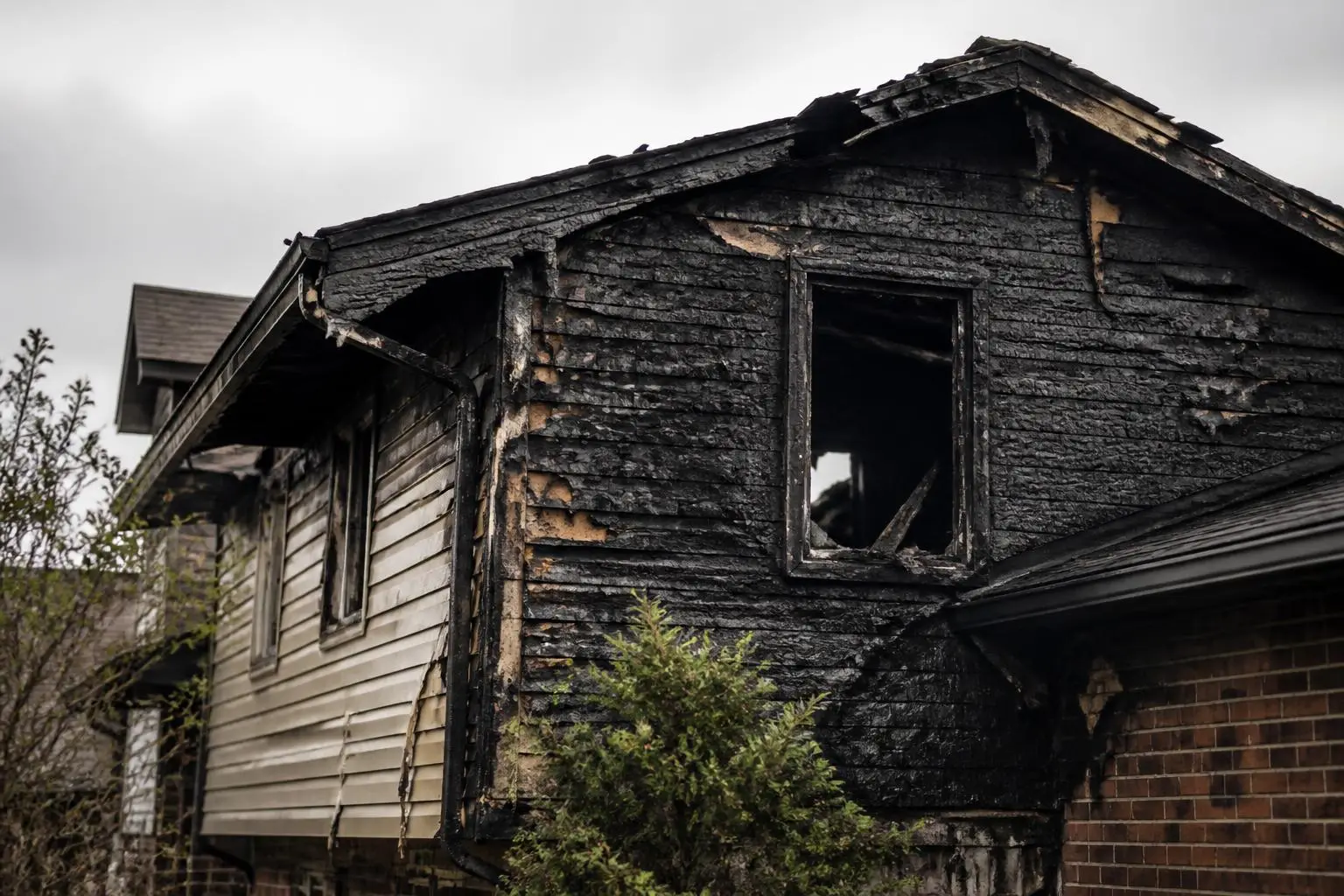
A house fire leaves you with questions you probably never expected to ask.
Where will my family sleep tonight? Should I call the insurance company now? Can I clean anything up? Who is responsible for boarding up the house? And why are contractors already asking me to sign paperwork?
You may be trying to answer all these questions while you're still processing what happened.
You don't have to make every decision today. But some decisions shouldn't wait, and others deserve more time.
This guide explains what to do during the first 72 hours after a residential fire, what to avoid, and how to protect your ability to document the damage before major restoration work begins.
Quick Answer: What Should You Do Immediately After a House Fire?
If your home has just experienced a fire:
- Make sure everyone is safe. Do not reenter until the fire department or appropriate authorities permit it.
- Arrange somewhere safe to stay. Ask your insurer about temporary housing and Additional Living Expenses coverage.
- Notify your homeowners insurance company promptly. You can open a claim before knowing the full extent of the damage.
- Protect your home from further damage. Arrange necessary emergency protection when safe, but understand what contractors are authorized to do.
- Document what you can. Take photographs when entry is permitted and preserve damaged materials when practical.
- Read before signing. An emergency board-up authorization is not necessarily the same as a full restoration contract.
- Prepare for the inspection. Damage may extend beyond the areas directly touched by flames.
The following timeline explains each step.
Hours 1–12: Safety, Shelter, and Your First Insurance Call
Is It Safe to Go Back Inside Your House After a Fire?
Not necessarily.
Even if the flames are extinguished, the building may contain unstable structural components, damaged wiring, gas hazards, contaminated debris, and other dangerous conditions.
Before returning, ask the fire department or responsible authority:
- Has the building been cleared for entry?
- Are any rooms or areas restricted?
- Have gas and electricity been disconnected?
- Can we retrieve essential belongings?
- Is a structural or utility inspection needed?
Never reconnect electricity or gas yourself.
If you need medication, identification, or other essentials from inside, ask the authorities how to retrieve them safely.
Where Will My Family Stay Tonight?
If the home is uninhabitable, you may need temporary accommodation.
Many homeowners insurance policies include Loss of Use, also called Additional Living Expenses (ALE), when a covered loss prevents you from living in your home.
Depending on the policy, eligible expenses may include hotel accommodations, temporary rentals, and reasonable additional food or transportation costs.
Call your insurance company and ask:
- Do I have Additional Living Expenses coverage?
- Can you arrange a hotel or temporary rental?
- Is an advance available?
- What are my daily, total, and time limits?
- Should I pay and request reimbursement, or can the insurer pay directly?
Keep your receipts, including expenses you aren't sure will be covered.
Need help with hotels, meals, or temporary housing?
Read our Loss of Use and Additional Living Expenses After a House Fire guide. Learn what to ask about hotels, meals, insurance advances, and expense records.
Should I Call My Insurance Company Before I Know How Bad the Damage Is?
Yes. You should report the fire as soon as reasonably possible after addressing immediate safety needs.
You do not need a complete inventory, repair estimate, or independent inspection before notifying your insurer.
During the call, explain what you know. If the cause or extent of damage is uncertain, say that it is still being evaluated.
Ask for:
- Your claim number
- Your assigned adjuster's name and contact information
- The expected inspection date
- Instructions for emergency property protection
- Temporary housing assistance
- Requirements for photographs, receipts, and inventories
- Any immediate deadlines
Write down who you spoke with and what they told you.
Who Boards Up a House After a Fire, and Who Pays?
If windows, doors, or the roof are damaged, the property may need emergency protection against weather or unauthorized entry.
This may include boarding up openings, temporary roof covering, or securing access.
Your insurance policy may cover reasonable emergency protection expenses associated with a covered loss, subject to its terms.
Before authorizing a company to begin, ask:
"Is this agreement only for emergency protection, or am I also authorizing cleanup, restoration, or reconstruction?"
Request a written description of the work and its cost.
Do not delay urgent measures needed for safety or to prevent additional damage merely because the insurance adjuster has not arrived. Document the conditions when safely possible.
Related: What Not to Do After a House Fire Before the Insurance Adjuster Arrives.
Hours 12–48: Document the Damage Before Major Decisions
Can I Clean Up After a House Fire Before the Insurance Adjuster Comes?
You may need to take immediate steps to address hazards or prevent further damage.
But extensive cleanup, disposal, or demolition can make it harder to establish what was damaged.
If entry is safe and permitted, photograph the condition of the property before nonemergency work begins.
Ask the insurer how damaged materials should be handled and whether an inspection or documentation is needed before removal.
Do not disturb areas restricted by fire investigators or safety authorities.
If emergency work cannot wait, keep records of what was done, why it was necessary, who performed it, and what materials were removed.
What Damage Should I Photograph After a House Fire?
Start with wide photographs of affected rooms, then capture individual damaged items and building components.
Document:
- Burned walls, ceilings, flooring, and framing
- Smoke staining and visible soot
- Damaged doors and windows
- Water damage from firefighting
- Appliances, furniture, and electronics
- Damaged clothing and personal belongings
- Attics and utility areas, only when safely accessible
- Emergency repairs and materials removed
You do not need to finish your entire personal property inventory in one day.
Start with what you can remember. Purchase records, old photographs, online order histories, and other documents may help later.
What If Only One Room Caught Fire?
The damage may not be limited to that room.
For example, a kitchen fire may leave smoke deposits in adjacent rooms, affect ventilation pathways, or cause water damage elsewhere.
Some conditions may not be obvious during a brief visual walkthrough.
Depending on the circumstances, a qualified professional may need to evaluate:
- Smoke and soot migration
- HVAC systems and ductwork
- Attic insulation
- Electrical components
- Structural framing
- Concealed moisture
- Potential contamination of contents
Not every fire causes these conditions. The purpose of a thorough assessment is to identify what actually happened, not assume that every component must be replaced.
Related: What to Avoid Before Cleanup or Demolition.
Should I Get an Independent Fire Damage Assessment?
An independent property assessment can help establish a record of observed conditions before major cleanup or reconstruction.
Depending on the professional's qualifications and the inspection scope, documentation may include photographs, affected areas, visible damage, and recommendations for further specialist evaluation.
An assessment does not determine what an insurance policy covers or guarantee an insurance payment.
National Property Service Group offers a no-cost property assessment to help homeowners better understand and document damage.
If you've experienced a house fire and want help understanding the condition of your property, you can request an assessment without committing to a restoration contract.
Request a No-Cost On-Site Fire Assessment
Service availability and the scope of the assessment will be confirmed for your location.
Before You Sign: Understand What a Contractor Is Asking You to Authorize
After a house fire, you may be contacted by emergency board-up companies, restoration contractors, cleanup specialists, or other service providers.
Some may arrive quickly, especially when the property is exposed to weather or requires emergency stabilization.
That doesn't automatically mean their services are unnecessary or their agreements are inappropriate.
It does mean you should understand the commitment.
Is an Emergency Board-Up Contract the Same as a Restoration Contract?
Not necessarily.
A limited emergency authorization may cover boarding windows, securing doors, or protecting an exposed roof.
A broader restoration agreement may authorize cleanup, demolition, repairs, or reconstruction and establish payment obligations.
Before signing, ask:
- What work does this document authorize?
- Is it limited to emergency services?
- Does it commit me to future restoration or rebuilding?
- Who pays if the insurer doesn't cover the full amount?
- What happens if I cancel?
- Does the agreement transfer any insurance benefits or rights?
- Can I receive a copy and review it before signing?
What Is an Assignment of Benefits?
An Assignment of Benefits, commonly called an AOB, is an arrangement that can transfer certain insurance-related rights or benefits to another party.
Its legal effect depends on the document and applicable state law.
An AOB is not the same thing as every ordinary work authorization.
Before signing an agreement containing an assignment, understand exactly which rights it transfers and what financial obligations remain yours.
Related: Before You Sign a Fire Restoration Contract: Questions Every Homeowner Should Ask.
Days 3–7: The Inspection, Expenses, and Your Recovery Plan
What Should I Expect During the Insurance Adjuster's Inspection?
The adjuster may inspect the property, document damage, discuss the loss, and prepare or coordinate an estimate.
Before the appointment, organize your photographs, notes, emergency repair records, and a preliminary list of damaged belongings.
During the inspection, ask:
- Which areas are being evaluated?
- How will smoke damage outside the burned room be addressed?
- Is further testing or specialist evaluation needed?
- What happens if concealed damage is discovered later?
- When will I receive an estimate?
- How do I submit additional documentation?
You can ask the insurer about obtaining further inspection if concerns remain.
What If the Insurance Adjuster Misses Something?
An initial inspection does not necessarily capture every condition.
If you discover additional damage, document it and notify your insurer.
Depending on the issue, the insurer may request additional information, arrange another inspection, or review findings from qualified professionals.
Keep a record of the damage and the steps taken to report it.
Will Insurance Pay for Everything I Lost?
Not necessarily.
Coverage depends on your policy, the cause of the loss, exclusions, deductibles, limits, and other terms.
Your policy may distinguish between:
- Dwelling repairs
- Other structures
- Personal belongings
- Additional living expenses
The amount payable can also depend on whether the policy uses actual cash value, replacement cost, or other settlement provisions.
Ask for a clear explanation of the applicable coverage and how payments are calculated.
If I Cash the First Insurance Check, Does That Close My Claim?
Not always, but you should verify what the payment represents before accepting it.
Some payments are advances or partial payments. Others may be accompanied by settlement or release terms.
Ask the insurer:
- Is this an advance, partial payment, or final settlement?
- Which portion of the claim does it cover?
- Are additional payments possible?
- Is depreciation being withheld?
- Am I being asked to sign a release?
Do not assume that the first check resolves everything, or that depositing it can never affect your rights.
Do I Still Have to Pay My Mortgage After a House Fire?
Generally, yes.
A fire does not automatically eliminate or suspend your mortgage obligations.
If you are experiencing financial difficulty, contact your mortgage servicer and ask about hardship or disaster assistance.
Your insurer may also include the mortgage company on certain property-damage checks, depending on the circumstances.
Your First Week After a House Fire: Checklist
First 24 hours
- [ ] Confirm everyone is safe and obtain medical attention if needed.
- [ ] Follow fire department instructions.
- [ ] Arrange temporary accommodation.
- [ ] Notify the insurance company.
- [ ] Obtain a claim number and adjuster's contact details.
- [ ] Ask about emergency property protection.
- [ ] Save initial expense receipts.
Hours 24–48
- [ ] Photograph safely accessible damage.
- [ ] Begin a personal property inventory.
- [ ] Document emergency work.
- [ ] Review contractor agreements before signing.
- [ ] Ask whether additional inspections are necessary.
- [ ] Preserve relevant records and photographs.
Days 3–7
- [ ] Prepare questions for the insurance adjuster.
- [ ] Review available inspection findings.
- [ ] Track additional living expenses.
- [ ] Request clarification about estimates and payments.
- [ ] Document newly discovered damage.
- [ ] Organize contracts, receipts, and claim correspondence.
Need Help Understanding the Damage to Your Home?
After a house fire, the immediate priority is safety. Once the emergency is under control, understanding the condition of your property becomes an important part of planning your recovery.
National Property Service Group helps homeowners document property damage, understand observed conditions, and coordinate appropriate recovery services.
Request a No-Cost On-Site Fire Assessment
An assessment can help establish a record of visible damage and identify areas that may need further professional evaluation.
What is your property concern?
Pick the closest match, we'll confirm during the assessment.
No obligation to hire a restoration contractor. Assessment availability and scope depend on location and service coverage.
Frequently Asked Questions About the First 72 Hours After a House Fire
What is the very first thing to do after a house fire?
Ensure everyone is safe, follow emergency authorities' instructions, and do not reenter the property until permitted. Then arrange shelter if needed and notify your insurance company promptly.
How soon should I contact homeowners insurance after a fire?
As soon as reasonably possible after addressing immediate safety needs. You can report the loss before knowing the full extent of the damage.
Can I throw away burned furniture before the adjuster arrives?
Avoid discarding damaged belongings unnecessarily before documenting them and discussing evidence requirements with your insurer. Items presenting immediate safety or health hazards may require special handling.
Can I hire my own fire damage inspector?
Homeowners can generally seek an independent professional assessment, subject to safe access and applicable requirements. The assessment's scope and the professional's qualifications should be clear.
Do I have to use the restoration company recommended by insurance?
Not necessarily. Ask whether the contractor is optional and whether using a different provider affects any specific policy, warranty, or program arrangements.
Does homeowners insurance cover smoke damage in rooms that did not burn?
Smoke damage may be covered when resulting from a covered fire, subject to policy terms and the facts of the loss. Appropriate documentation and evaluation can help establish the extent of damage.
What if I cannot afford a hotel after a fire?
Ask your insurer immediately about Additional Living Expenses coverage, direct billing, or an advance. You can also ask local emergency assistance organizations about temporary shelter.
What should I avoid signing after a house fire?
Do not sign documents you do not understand. Pay particular attention to the scope of work, payment obligations, cancellation terms, assignments of insurance benefits, and releases of claims.
What happens if more fire damage is found after the inspection?
Document the newly discovered condition, notify your insurer, and ask how to submit additional evidence or request further evaluation.
Where can I get help understanding my options?
Your insurer, state insurance department, qualified building professionals, and appropriately licensed public adjusters or attorneys can assist with different aspects of the recovery process. NPSG can help with property assessment and recovery coordination within its service scope.
Reliable Resources for Homeowners
- U.S. Fire Administration: After the Fire. Safety and recovery guidance after a residential fire.
- NAIC: Post-Disaster Claims Guide. Understanding claims, documentation, and insurance payments.
- NAIC: Additional Living Expenses. Temporary housing, eligible additional expenses, and coverage limits.
This guide provides general homeowner education, not legal advice, insurance coverage determinations, or public adjusting services. Insurance policies and state laws vary. NPSG's property documentation and recovery coordination services do not replace licensed professional services where required.