
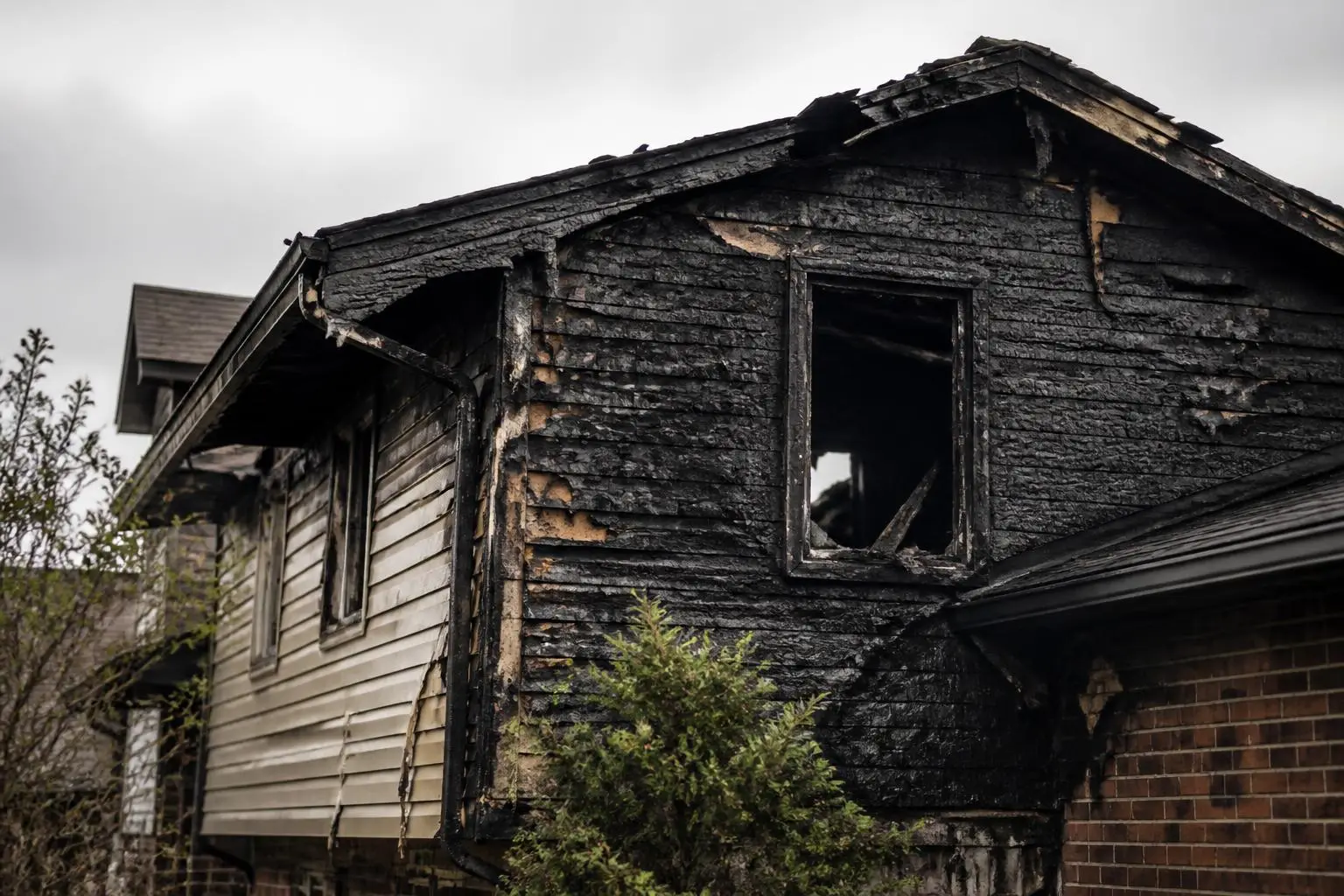
Your house has just experienced a fire. You may be staying in a hotel, waiting for an insurance adjuster, or trying to figure out whether your home can be repaired.
Then someone hands you a contract.
They might explain that they need your signature to board up the windows, remove damaged materials, begin cleaning, or work directly with your insurance company.
You want to protect your home and move forward. But you may not understand exactly what you're agreeing to.
Before you sign, find out whether you're authorizing one emergency service or committing to a larger restoration project.
Not every restoration agreement is a problem. Many contractors provide essential services after a fire. The important thing is understanding the work, payment obligations, and rights involved before you make a decision.
If you're still working through the immediate aftermath, start with our First 72 Hours After a House Fire: Step-by-Step Homeowner Guide.
Quick Answer: Should You Sign a Restoration Contract After a House Fire?
You may need to authorize urgent work to secure the property or address immediate hazards. But you should understand the agreement before signing.
Ask these seven questions:
- What work am I authorizing? Emergency board-up, cleanup, demolition, or full reconstruction?
- How much could I owe? Is the price fixed, estimated, or based on work performed?
- What happens if insurance doesn't pay? Am I personally responsible for the difference?
- Can I cancel? What notice, fees, or payment obligations apply?
- Am I assigning insurance benefits? Does the document transfer any claim or payment rights?
- Who controls the repairs? Can I review the scope and approve additional work?
- Can I have a complete copy? Including every attachment, payment term, and cancellation provision?
If you don't understand an answer, ask for clarification before signing.
Necessary emergency protection should not be delayed when safety or additional property damage is at stake. But urgent work can often be discussed separately from long-term restoration decisions.
1. Understand the Difference Between Emergency Board-Up and Full Restoration
After a fire, different kinds of work may be needed at different times.
Some work protects the building immediately. Other work involves evaluating, cleaning, repairing, or rebuilding the property.
These are not automatically the same commitment.
What is an emergency board-up authorization?
An emergency authorization may cover specific temporary measures, such as:
- Boarding broken windows
- Securing damaged doors
- Installing temporary roof protection
- Preventing unauthorized entry
- Protecting exposed areas from additional weather damage
The agreement should identify what services are being performed, how charges are calculated, and who is responsible for payment.
What is a fire restoration contract?
A restoration contract may involve a much broader scope:
- Smoke and soot cleaning
- Water extraction and drying
- Debris removal
- Demolition of damaged materials
- Structural repairs
- Heating, ventilation, and air conditioning (HVAC) cleaning or restoration
- Reconstruction and finishing work
Some contractors provide both emergency services and complete restoration.
That does not mean the homeowner must necessarily authorize all services at once.
Emergency work versus full restoration
| Emergency protection | Full restoration or reconstruction |
|---|---|
| Intended to address immediate exposure or hazards | Intended to repair or restore damaged property |
| May be limited to boarding, tarping, or securing | May involve cleaning, demolition, repairs, and rebuilding |
| Often needed before the full damage scope is known | Usually benefits from detailed scope and pricing |
| May require prompt authorization | May involve substantial financial and contractual commitments |
Before signing, ask: "Can you identify which services are necessary immediately and which services can be evaluated separately?"
2. What Does a Fire Damage Work Authorization Form Actually Mean?
A work authorization gives a company permission to perform certain services.
But the title alone does not tell you how broad that permission is.
A document called an Emergency Work Authorization might contain terms covering additional services, equipment charges, payment responsibilities, or future work.
Read the entire document, including attachments and terms on the reverse side.
What should I look for in a work authorization?
Check whether it identifies:
- The contractor's legal business name and contact information
- The property where work will be performed
- The specific authorized services
- The pricing method or estimated charges
- Equipment and labor charges
- Payment deadlines
- Cancellation provisions
- Responsibility for charges not paid by insurance
- Permission to communicate with the insurer
- Any transfer of insurance benefits or payment rights
Avoid signing incomplete documents or forms containing unexplained blank spaces.
Ask for a completed copy before work begins whenever practical.
What if the contractor says insurance will pay for everything?
Ask for clarification.
A contractor may believe the work is likely to be covered, but that does not establish what your insurance company will pay.
Coverage depends on the policy, cause of loss, applicable exclusions, limits, and other circumstances.
Your contract with a restoration company can create payment obligations separate from your insurer's obligations.
Ask:
"If the insurance company pays less than your invoice, who is responsible for the difference?"
Get the answer in writing.
3. What Is an Assignment of Benefits After a House Fire?
An Assignment of Benefits (AOB) is a legal arrangement that may transfer certain insurance benefits or rights from the policyholder to another party.
Depending on the document and applicable state law, a contractor or other third party may gain rights relating to insurance payments or claims.
An AOB is not necessarily the same as a standard work authorization or a limited direction to pay.
Why would a restoration contractor request an AOB?
A contractor may want to receive payment directly from the insurer or manage certain insurance-related matters.
This arrangement can sometimes simplify payment administration.
However, it can also affect the homeowner's control over the claim or related rights.
Before signing, determine:
- Exactly which rights are being transferred
- Whether the assignment is limited to specific work
- Who receives insurance payments
- Whether the contractor can pursue payment disputes
- Whether the homeowner retains control over other claim matters
- Whether the assignment can be canceled or revoked
- What state law permits
Some states restrict or prohibit certain assignments involving property insurance claims.
Do I have to sign an AOB to get my house repaired?
Not generally. An AOB is not automatically required simply because your property needs restoration.
You can ask whether the contractor offers a standard service agreement without an assignment.
If the contractor says an AOB is required, ask why and consider reviewing the document with a qualified attorney or your state insurance department before signing.
Important: A contractor's authority to perform repairs is different from authority to represent a homeowner in insurance claim negotiations. Public adjusting and legal representation are regulated activities.
4. Do You Have to Use the Insurance Company's Preferred Restoration Contractor?
Insurance companies sometimes recommend restoration contractors or maintain preferred-vendor networks.
These companies may offer convenient scheduling, established communication processes, or specific workmanship guarantees.
But a recommendation does not necessarily mean the contractor is mandatory.
Can I choose my own fire restoration company?
Often, yes. However, the answer depends on your policy and any applicable managed repair provisions.
Some policies or endorsements may include specific repair-program requirements or financial consequences for choosing another provider.
Before deciding, ask the insurer:
- Is the preferred contractor optional?
- Does my policy contain a managed repair provision?
- Will choosing another contractor affect coverage or payment?
- Who guarantees the workmanship?
- Who handles disagreements about the repair scope?
- Can I review the preferred contractor's estimate before authorizing work?
Request the relevant policy provision if the insurer says your choice is restricted.
Is a preferred contractor automatically the best choice?
Not necessarily.
A preferred contractor may be qualified and suitable, but homeowners should still understand the company's experience, credentials, proposed work, and contractual obligations.
Consider checking references, applicable licenses, insurance coverage, and experience with fire-damaged residential properties.
The objective is to select a qualified professional whose services and agreement you understand.
5. Do You Have to Use the Restoration Company the Fire Department Called?
After a fire, a board-up or emergency service company may arrive at the property.
The company might have been contacted by emergency personnel, a property manager, your insurer, or someone else.
That does not automatically mean the company has been appointed to handle your entire restoration.
Ask:
- Who requested the company's attendance?
- What services have already been performed?
- Who authorized those services?
- Is the company providing emergency protection only?
- Is a separate agreement required for additional work?
- Who is responsible for payment?
A contractor's presence at the property is not, by itself, proof that you have agreed to a full reconstruction project.
However, services already authorized or performed may create payment obligations depending on the facts and applicable law.
6. Can You Cancel a Fire Restoration Contract You Already Signed?
Possibly.
Cancellation rights depend on several factors, including:
- The state where the property is located
- Where and how the agreement was signed
- The type of services purchased
- Whether emergency work was requested
- Whether work has already begun
- The contract's cancellation terms
- Applicable federal and state consumer protection laws
Does the three-day cancellation rule apply?
The Federal Trade Commission's Cooling-Off Rule provides cancellation rights for certain qualifying sales made at a consumer's home or other covered locations.
But the rule has important exceptions, including certain emergency services and specific home repair situations.
Do not assume every fire restoration contract comes with an automatic three-day cancellation right.
State law may provide additional protections.
What if I signed while overwhelmed after the fire?
Feeling pressured or overwhelmed does not automatically invalidate a contract.
However, misleading statements, improper sales practices, missing disclosures, or other circumstances may raise legal or consumer protection questions.
If you are concerned:
- Obtain a complete copy of everything you signed.
- Identify the contractor's cancellation instructions.
- Record when and where you signed.
- Document any representations or promises made.
- Determine whether work has started.
- Seek qualified legal or consumer protection advice promptly.
If you decide to cancel, follow any applicable notice requirements and preserve proof of delivery.
7. What Should You Know Before Paying a Fire Restoration Contractor?
A restoration agreement should explain how and when payment is due.
Be cautious about large unexplained upfront payments, vague pricing, or pressure to pay immediately without documentation.
Questions to ask about payment
- Is a deposit required?
- Is the deposit refundable?
- What work does the deposit cover?
- When are progress payments due?
- How are change orders approved?
- What happens if additional damage is discovered?
- Who pays amounts the insurer does not cover?
- When is final payment due?
- Will I receive itemized invoices?
Some states regulate contractor deposits, payment schedules, or residential construction agreements.
Check the rules applicable to your location.
What if the contractor wants my insurance check?
First determine what the payment covers.
Insurance payments may relate to structural repairs, personal property, emergency expenses, or other portions of a claim.
Some structural payments may include a mortgage lender as a payee.
Before endorsing or transferring a check, understand who is entitled to the funds, what work is being paid for, and whether the payment arrangement matches your contract.
Do not assume that receiving an insurance check means every proposed repair has been approved or fully funded.
8. What If the Contractor Wants to Start Demolition Before the Insurance Inspection?
Some demolition or removal may be necessary immediately for safety or to prevent further damage.
Other work may be able to wait until the property's condition has been documented.
The distinction matters.
Removing damaged drywall, ceilings, insulation, flooring, or other materials can change the evidence available for evaluating the loss.
Before authorizing extensive nonemergency removal, ask:
- Why must this work happen now?
- Is there an immediate safety or moisture concern?
- Has the affected area been photographed?
- Has the insurer been notified?
- Can a qualified professional document the conditions first?
- Will the contractor record what is removed?
- How will concealed damage discovered during work be documented?
Do not delay necessary safety or emergency mitigation work solely to preserve evidence.
Instead, arrange appropriate documentation before and during urgent work whenever feasible.
Related: Document the Damage Before Major Decisions.
9. Warning Signs That Deserve a Closer Look
Not every unusual contract term indicates misconduct.
However, certain practices warrant additional questions.
Be cautious when a contractor:
- Pressures you to sign immediately without allowing you to read the agreement
- Refuses to provide a completed contract
- Asks you to sign blank forms
- Guarantees that insurance will pay every charge
- Refuses to explain cancellation terms
- Cannot provide applicable licensing or insurance information
- Requests payment through difficult-to-recover methods
- Claims you must assign insurance benefits without explaining why
- Refuses to distinguish emergency work from future restoration
- Discourages you from keeping copies of documents
A trustworthy contractor should be able to explain the proposed work, payment obligations, and relevant terms.
If you are unsure, request clarification or independent professional advice.
10. Before You Sign: Homeowner Contract Review Checklist
Use this checklist when reviewing a fire restoration agreement.
Contractor information
Scope of work
Payment obligations
Contract rights
Property documentation
Want to Understand the Property Damage Before Committing to Major Restoration?
After a house fire, you may be trying to make decisions about contractors before the full extent of the damage is understood.
An independent property assessment can help establish a baseline record of observed conditions and identify areas that may require additional professional evaluation.
Request a No-Cost On-Site Fire Assessment
National Property Service Group helps homeowners document property damage and coordinate appropriate recovery services.
An assessment can help you better understand the condition of the property before major restoration decisions.
What is your property concern?
Pick the closest match, we'll confirm during the assessment.
There is no obligation to hire a restoration contractor. Assessment availability and scope depend on location and service coverage.
NPSG does not provide legal contract review, negotiate insurance claims, or act as a licensed public adjuster.
Frequently Asked Questions
Should I sign a restoration contract before the insurance adjuster comes?
Necessary emergency work may need to begin before an inspection. But you should understand whether the agreement authorizes only urgent services or a larger restoration project. Document damage when safe and coordinate with the insurer.
Is a fire damage work authorization legally binding?
It can be. A work authorization may create contractual obligations depending on its language and applicable law. Read the full document rather than relying on its title.
Can a restoration contractor charge me if insurance denies payment?
Potentially, yes. Your responsibility depends on the contract and circumstances. Ask who pays any amount the insurer does not cover before authorizing work.
Do I have to sign an Assignment of Benefits?
An AOB is not automatically required to have property repaired. State law and specific contractual arrangements matter. Ask what rights would transfer and whether a standard service agreement is available.
Can I cancel a fire restoration contract after signing it?
Possibly. The answer depends on the contract, applicable consumer protection laws, and whether emergency services have begun. Review the agreement promptly and seek qualified advice if necessary.
Does the three-day cancellation rule apply to emergency restoration contracts?
Not automatically. The FTC's Cooling-Off Rule has exceptions, including certain emergency and repair services. State laws may provide different protections.
Can I use my own contractor instead of the insurance company's preferred vendor?
Often, yes, but some insurance policies or managed repair arrangements contain specific provisions. Ask your insurer whether the program is optional and request the relevant policy language.
Do I have to use the board-up company for the entire rebuild?
Not necessarily. Emergency protection and full reconstruction can be separate services. Review any agreement you have signed to understand existing commitments.
What if a contractor starts work without my permission?
Document what occurred and ask the company to identify who authorized the work. Depending on the circumstances, contact the property owner, insurer, consumer protection agency, or a qualified attorney.
Can NPSG review my restoration contract?
NPSG can help homeowners understand the property damage documentation process and coordinate appropriate professional assistance. Legal interpretation of a contract should be provided by a qualified attorney.
Continue Your Fire Recovery Research
- First 72 Hours After a House Fire: Step-by-Step Homeowner Guide
- What Not to Do After a House Fire Before the Adjuster Arrives
- Document the Damage Before Major Decisions
- Loss of Use and Additional Living Expenses After a House Fire
Authoritative Homeowner Resources
- NAIC: Assignment of Benefits Consumer Guidance
- NAIC: How to Avoid Contractor Scams
- FTC: Understanding the Cooling-Off Rule
- FTC: Avoiding Contractor Scams After Disasters
This article provides general educational information for U.S. homeowners. Contract rights, cancellation periods, insurance claim procedures, contractor licensing requirements, and Assignment of Benefits rules vary by state. NPSG does not provide legal advice, insurance claim representation, or public adjusting services. Consult qualified professionals where appropriate.