
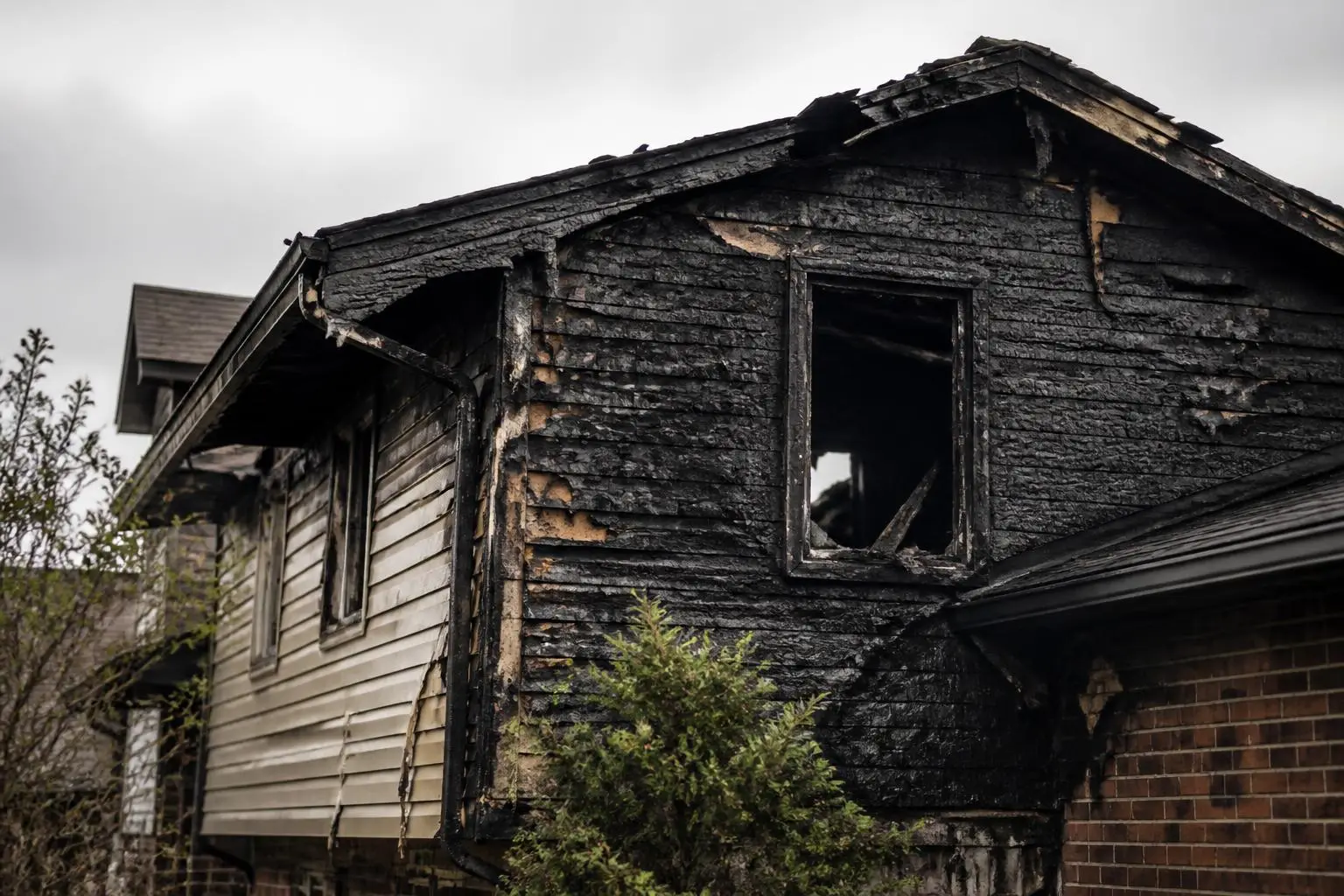
After a house fire, you may know that your home is damaged without knowing how extensive the damage really is.
The burned room is obvious. The smoke smell in the hallway may be less obvious. You might find water beneath flooring, soot around vents, or damaged belongings in rooms where the flames never reached.
Meanwhile, your insurance company needs information about the loss, and restoration work may be getting ready to begin.
You don't need to become a fire investigator or building expert overnight.
But you do need a reliable record of what happened to your property.
The goal is to document what you can see, preserve important information, and identify what may require professional evaluation before the condition of the home changes.
This guide explains how to do that, step by step.
If your fire happened within the past few days, begin with our First 72 Hours After a House Fire: Homeowner Recovery Guide.
Quick Answer: How Do You Document Fire Damage for an Insurance Claim?
Start by creating a record of the property's condition before extensive cleanup or repairs, whenever safely possible.
- Wait for safe access. Do not enter a fire-damaged building without authorization.
- Photograph the outside. Record damaged roofing, siding, windows, doors, and other visible conditions.
- Photograph each accessible room. Take wide views before close-up photographs.
- Record fire, smoke, soot, and water damage separately. Note where each condition appears.
- Create a belongings inventory. List damaged furniture, electronics, clothing, appliances, and other possessions.
- Save supporting records. Keep receipts, emergency repair invoices, photographs, videos, and insurance correspondence.
- Identify areas needing further evaluation. Smoke migration, electrical damage, structural concerns, and concealed moisture may require specialists.
- Update the record as new damage is discovered. Documentation is an ongoing process, not a one-day task.
You can begin with your phone and a notebook.
Professional documentation may become useful when the extent of damage is unclear or important building systems need evaluation.
1. Start With Safety, Not Photographs
A fire-damaged building can remain dangerous after the flames are extinguished.
Floors, ceilings, and structural framing may be weakened. Electrical and gas systems may be unsafe. Fire debris and residues may present health hazards.
Do not enter until the fire department or responsible authority permits access.
Even when limited entry is allowed, some areas may remain restricted.
If you cannot safely enter the home, you can still begin your documentation by:
- Photographing the exterior from a safe location
- Saving photographs taken before the fire
- Recording the date and approximate time of the incident
- Keeping fire department information
- Writing down what you remember about the affected rooms
- Contacting your insurance company
Never enter an unsafe structure or disturb a fire investigation scene just to collect evidence.
A qualified professional may be able to inspect restricted or hazardous areas later, once the necessary permissions and safety conditions are established.
2. How to Photograph Fire Damage Room by Room
Photographs are one of the simplest ways to create a record of property damage.
You don't need specialized photography equipment. A smartphone is usually sufficient for initial documentation.
The important thing is to capture both the overall condition and the details.
Start with wide photographs
When safe, stand near the entrance to each accessible room and photograph the space from several angles.
Try to show:
- The room's layout
- Walls and ceilings
- Floors
- Doors and windows
- Furniture and fixtures
- Visible burned or smoke-affected areas
Wide photographs help establish where damage was located.
Then take close-up photographs
After recording the room, photograph individual damaged components.
Examples include:
- Burned drywall
- Charred framing
- Cracked or heat-damaged finishes
- Smoke staining
- Soot deposits
- Damaged flooring
- Water staining
- Appliances and electronics
- Damaged furniture
Where safe, include a wider reference photograph so someone reviewing a close-up can understand its location.
Record a short video walkthrough
A video can help show how affected rooms connect and where visible damage extends.
Narrate only what you know.
For example:
"This is the hallway next to the kitchen. There is visible dark staining above the doorway and a strong smoke odor."
Avoid guessing about structural integrity, contamination levels, or the cause of damage.
Keep original photographs
Do not rely only on edited, cropped, or annotated copies.
Preserve original files when possible, including their timestamps and metadata.
Store backups somewhere outside the damaged property, such as secure cloud storage.
3. What Fire Damage Should You Document Outside the Burned Room?
A fire may affect more than the area where flames were visible.
Heat, smoke, soot, and firefighting water can travel through different parts of a building.
That does not mean every room is damaged or every material needs replacement.
It means the evaluation should consider the actual conditions throughout the property.
Smoke and soot damage
Document visible staining, deposits, and other observable conditions around:
- Ceilings and upper walls
- Doorways and openings
- HVAC supply and return vents
- Cabinets and shelving
- Furniture and fabrics
- Attics, when safely accessible
- Areas adjoining the fire room
If you notice odors, write down where and when they occur.
A smell alone does not establish the extent or type of contamination, but it may be useful information for a qualified professional.
Heat-related damage
Record observable conditions such as:
- Discolored or distorted materials
- Cracked finishes
- Damaged windows
- Warped fixtures
- Visibly affected electrical equipment
Do not touch or operate potentially damaged electrical systems.
Firefighting water damage
Water used to extinguish the fire may affect building materials and belongings.
Photograph:
- Wet or stained flooring
- Damaged ceilings
- Saturated wall materials
- Standing water
- Water-affected furniture
- Visible moisture-related deterioration
Moisture can exist behind surfaces that appear dry.
If concealed moisture is suspected, ask whether qualified moisture evaluation is needed.
What about the attic, roof framing, and HVAC system?
These areas may require professional inspection.
Depending on the fire, relevant concerns may include:
- Heat effects on roof framing
- Smoke migration through attic spaces
- Residues in ventilation systems
- Water intrusion into insulation
- Electrical damage
- Concealed damage within wall or ceiling assemblies
Homeowners should not climb into unsafe attics, access damaged roofs, open electrical equipment, or dismantle HVAC systems to investigate.
A visual record identifies what you can observe. A qualified inspection helps evaluate what you cannot safely see.
4. How to Make a Fire Damage Inventory Without Receipts
A house fire can destroy the very documents you would normally use to prove what you owned.
You may not have receipts for furniture purchased years ago, clothing, kitchen equipment, or everyday household items.
That doesn't mean you should leave them off your inventory.
Start with what you remember.
Make your inventory one room at a time
Think about each room before the fire.
For a bedroom, that might include:
- Bed and mattress
- Dressers and nightstands
- Clothing and shoes
- Lamps
- Television
- Bedding
- Personal electronics
- Books and personal belongings
Don't forget items inside drawers, closets, cabinets, and storage areas.
What information should an inventory include?
| Item | Information to record |
|---|---|
| Description | What the item was |
| Room | Where it was located |
| Brand/model | If known |
| Quantity | Number of items |
| Approximate age | When purchased, if remembered |
| Purchase price | If known |
| Condition | Damage observed or reported |
| Supporting evidence | Photo, receipt, statement, or other record |
What if I can't remember the exact price?
Record your best available information and identify estimates as estimates.
You may be able to reconstruct purchase information using:
- Email receipts
- Online shopping accounts
- Credit card or bank statements
- Product photographs
- Manufacturer information
- Family photographs
- Previous home videos
- Retail listings for comparable products
Don't invent purchase dates, brands, or prices to fill gaps.
Your insurer may have specific inventory forms or valuation requirements.
Should I finish the inventory before filing the insurance claim?
No.
Notify your insurer promptly. You can continue building the inventory as you recover information.
Ask what deadlines apply and whether extensions are available if the loss is extensive.
5. Should You Keep Damaged Belongings Until the Adjuster Arrives?
When safe and practical, preserve damaged items until you've documented them and understand whether the insurer needs to inspect them.
This can be especially relevant for expensive electronics, appliances, furniture, and other significant losses.
But safety comes first.
Some materials may need immediate removal because of contamination, instability, or other hazards.
If urgent disposal is necessary:
- Photograph the items when safe.
- Record what was removed.
- Note why removal was necessary.
- Identify who removed it.
- Keep available invoices or disposal records.
- Notify the insurer as soon as reasonably possible.
Do not retain hazardous materials simply to preserve evidence.
For more guidance, read What Not to Do After a House Fire Before the Insurance Adjuster Arrives.
6. What Should Be Documented Before Fire Restoration or Demolition?
Restoration work can change the condition of a property significantly.
Damaged drywall may be removed. Insulation may be discarded. Flooring may be replaced. Structural components may be exposed or repaired.
Sometimes this work is urgent.
Other times, there is an opportunity to create a more complete record first.
Before extensive nonemergency work, consider documenting:
- The condition of each affected room
- Visible damage to walls, ceilings, and flooring
- Areas proposed for demolition
- Existing moisture conditions
- Smoke and soot observations
- The proposed scope of removal
- The contractor's explanation of necessary work
Ask the contractor to photograph concealed conditions discovered during demolition and record the materials removed.
What if demolition has already started?
You can still document the property.
Request photographs taken before work began, ask for daily work records, and photograph remaining conditions when access is safe.
Record which materials have already been removed and what new conditions were discovered.
A late start is better than having no organized documentation.
Related: Before You Sign a Fire Restoration Contract: What Homeowners Should Know.
7. What Is a Professional Fire Damage Documentation Report?
A professional property damage report creates a more structured record than an informal collection of photographs.
The contents depend on the provider, qualifications, inspection scope, and property conditions.
A report may include:
- Property and inspection identification
- Date and scope of assessment
- Areas inspected
- Photographs organized by room or component
- Observed fire-related damage
- Smoke, soot, or water-related observations
- Areas that could not be accessed
- Limitations of the inspection
- Recommendations for further specialist evaluation
A report may also incorporate specialist findings when appropriately obtained.
Is a property documentation report the same as an insurance estimate?
No.
A condition report records observations and assessment findings.
A repair estimate describes proposed work and associated costs.
An insurance coverage determination involves interpreting the policy and applying its terms to the loss.
These are different functions.
A documentation report does not automatically establish what an insurer must cover or pay.
What does a certified fire damage report mean?
The word certified should refer to a specific, verifiable qualification, credential, methodology, or certification applicable to the work performed.
It should not be treated as a guarantee that an insurer will accept the report or pay a particular amount.
Before hiring any provider, ask:
- Who will perform the inspection?
- What qualifications do they hold?
- What does the report include?
- Are any specialized tests included?
- What areas cannot be evaluated?
- Will further licensed professionals be needed?
8. When Should You Request an Independent Fire Damage Assessment?
You may consider an independent assessment when:
- The fire affected several rooms or building systems
- The extent of smoke damage is unclear
- There are concerns about concealed moisture
- Structural or electrical conditions need further evaluation
- Cleanup or demolition is about to begin
- The initial inspection did not address certain observed conditions
- You need an organized record of the property's condition
An independent assessment does not mean the insurer's inspection is automatically incorrect.
It provides another source of factual information that may help clarify the physical condition of the property.
Who should evaluate specialized fire damage?
Different conditions may require different professionals.
| Concern | Professional who may be appropriate |
|---|---|
| Structural stability | Qualified structural engineer |
| Electrical safety | Licensed electrician |
| HVAC condition | Qualified HVAC professional |
| Smoke-related contamination | Qualified industrial hygienist or relevant specialist |
| Moisture and drying | Qualified restoration or moisture-assessment professional |
| Building repairs | Appropriately licensed contractor |
Professional licensing and qualification requirements vary by state.
Not every fire requires every type of specialist.
9. How to Prepare Your Documentation for the Insurance Adjuster
Before the inspection, organize your available information so you can explain what you've observed.
You might prepare a folder containing:
Property information
- Property address
- Date of loss
- Insurance claim number
- Adjuster contact information
Damage documentation
- Exterior photographs
- Room-by-room photographs
- Videos
- Written observations
- Preliminary belongings inventory
Emergency work
- Board-up invoices
- Temporary repair photographs
- Contractor records
- Disposal or removal records
Additional information
- Fire department report, if available
- Professional inspection findings
- Questions about possible concealed damage
- Records of newly discovered conditions
You can ask the adjuster which areas were inspected and how additional findings should be submitted.
What if the adjuster's estimate doesn't include damage I documented?
Ask for an explanation.
Identify the specific conditions you believe were omitted and provide relevant photographs, reports, or other information.
The insurer may request additional evidence or arrange further evaluation.
If a disagreement remains unresolved, your state insurance department, a licensed public adjuster, or a qualified attorney may be able to explain the appropriate options.
NPSG's property assessment services do not include representing homeowners in claim negotiations.
10. How to Organize Your Fire Damage Records
You don't need complicated software.
A simple digital folder structure can help you keep information together.
Suggested folders
- 01 — Fire Department and Incident Records
- 02 — Exterior Damage
- 03 — Interior Damage by Room
- 04 — Personal Property Inventory
- 05 — Smoke, Soot, and Water Observations
- 06 — Emergency Repairs and Contractor Records
- 07 — Professional Inspections
- 08 — Insurance Correspondence
- 09 — Temporary Housing and Living Expenses
Keep a second copy of important files.
When submitting information to your insurer, record the date, what you sent, and any confirmation received.
Fire Damage Documentation Checklist
Photographs and videos
Belongings
Building conditions
Contractors and insurance
Need Help Documenting Fire Damage to Your Home?
After a fire, you may be expected to make decisions about cleanup and restoration before you fully understand the property's condition.
National Property Service Group helps homeowners document observed property damage and identify areas that may need further professional evaluation.
Request a No-Cost On-Site Fire Assessment
An assessment can help establish an organized record of visible conditions and support more informed decisions about the next steps in recovery.
Request My No-Cost Fire Assessment
What is your property concern?
Pick the closest match, we'll confirm during the assessment.
There is no obligation to hire a restoration contractor. Availability, inspection scope, and any professional qualifications or specialist services will be confirmed for your location.
Want to Get Organized First?
The Week One Fire Recovery & ALE Receipt Log download is pending availability.
Use it to track emergency expenses, insurance conversations, property damage observations, and important records during your first week.
Frequently Asked Questions
What is the best way to document fire damage for insurance?
Take photographs and videos when safe, record damage room by room, create a personal property inventory, preserve available evidence, and keep records of emergency repairs and professional inspections.
How many pictures should I take after a house fire?
There is no universal required number. Take enough photographs to show the overall condition of each affected area and clear details of individual damaged components. Follow any additional instructions from your insurer.
Can I document fire damage with my phone?
Yes. Smartphone photographs and videos are useful for initial documentation. Keep original files and backups whenever possible.
What if I have no receipts for belongings destroyed in the fire?
Use available photographs, bank statements, online order histories, product information, and other supporting records. Start with what you remember and identify estimates honestly.
How do I document smoke damage that I can't see?
Record the location and nature of your observations, including odors or suspected affected areas. Qualified professionals may be needed to determine whether contamination or concealed damage is present.
Should the attic and HVAC system be inspected after a fire?
They may require evaluation depending on the fire's location, severity, smoke movement, and other conditions. Do not enter unsafe areas or dismantle systems yourself.
Can I get an independent fire damage inspection after the insurance adjuster visits?
Yes, subject to safe access and applicable requirements. An independent assessment can document conditions or concerns, but it does not automatically determine insurance coverage.
Does a professional damage report guarantee insurance payment?
No. Insurance payment depends on the policy, covered loss, documented damage, applicable limits, and claim evaluation.
What if the restoration company already removed damaged materials?
Request available photographs, work logs, invoices, and records of removed materials. Continue documenting remaining conditions and any newly discovered damage.
Is NPSG a public adjusting company?
NPSG provides property documentation and recovery coordination within its service scope. It does not act as a licensed public adjuster or negotiate insurance claims on behalf of homeowners.
Continue Your Fire Recovery Research
- What to Do in the First 72 Hours After a House Fire
- What Not to Do After a House Fire Before the Insurance Adjuster Arrives
- Before You Sign a Fire Restoration Contract
- Loss of Use and Additional Living Expenses After a House Fire
Authoritative Homeowner Resources
- National Association of Insurance Commissioners: What You Need to Know When Filing a Homeowners Claim
- NAIC: Navigating the Claims Process
- NAIC: Post-Disaster Claims Guide
- United Policyholders: Insurance Claim Tips for Partial Loss Fires
- United Policyholders: Home Inventory and Contents Claim Tips
This guide provides general educational information for U.S. homeowners. Insurance coverage, documentation requirements, professional licensing, and claim procedures depend on policy terms, state law, and individual circumstances. NPSG does not provide legal advice, insurance coverage determinations, or public adjusting services. Property assessments do not replace specialist inspections where needed.